.svg)
.svg)


.jpg)
What we keep hearing from businesses is how easy it is to overlook regular backups—until a hard drive fails or critical files vanish overnight. The most common surprise? Even with the best intentions, data loss can happen to anyone, and it often strikes when you least expect it.
"A professional data recovery service can recover lost data that most teams assume is gone for good."
Industry research shows that nearly half of companies experience some form of data loss every year, whether from hardware failure, accidental deletion, or cyber threats. That’s why understanding how a data recovery firm works—and when to call for help—matters for every organization. If you rely on digital files, knowing your options for data restoration services can be the difference between a minor hiccup and a major setback. Let’s break down what a professional data recovery service actually does, why it’s essential, and how you can make the right choice for your business.
What makes a professional data recovery service essential?
When your business faces unexpected data loss, the stakes are high. Lost data can mean lost productivity, missed deadlines, and even compliance risks. A professional data recovery service steps in with specialized tools and expertise to recover data from failed hard drives, SSDs, and even complex RAID setups. These services go beyond basic troubleshooting, using advanced recovery processes to maximize the chances of getting your files back.
The best data recovery service providers offer cleanroom environments to safely open damaged drives and handle delicate components. They also follow strict data security protocols to protect your information throughout the recovery process. With a focus on fast turnaround and high success rates, these firms help businesses minimize downtime and avoid costly disruptions.

Top mistakes to avoid when choosing a data recovery service
Choosing the right data recovery service can make or break your recovery results. Here are some common pitfalls to watch out for:
Mistake #1: Delaying action after data loss
Waiting too long to seek help can reduce the chances of successful recovery. The longer you use a damaged drive, the more likely it is that files become unrecoverable. Act quickly to improve your success rate.
Mistake #2: Trying DIY recovery tools first
Free or low-cost software might seem tempting, but it can cause more harm than good. Using the wrong tool can overwrite lost data or make professional recovery harder later on.
Mistake #3: Ignoring cleanroom standards
Some providers skip cleanroom procedures to cut costs. Without a clean environment, opening a hard drive can introduce dust and debris, making recovery impossible.
Mistake #4: Overlooking data security policies
Not all firms treat your data with the same level of care. Make sure your provider follows strict data security protocols to protect sensitive information during the recovery process.
Mistake #5: Focusing only on price
Cheaper isn’t always better. The best data recovery service offers transparent pricing, a free evaluation, and a clear explanation of the recovery process—not just a low quote.
Mistake #6: Not checking turnaround times
Ask about the average turnaround time before you commit. Some cases can be resolved in a few business days, while others may take longer depending on the complexity.
Mistake #7: Forgetting about RAID and external hard drive expertise
If you use RAID arrays or external hard drives, make sure your provider has proven experience with these storage devices. Specialized knowledge is essential for complex recoveries.
Key benefits of using a professional data recovery service
A professional data recovery service offers several important advantages:
- Higher success rates for recovering lost data from hard drives, SSDs, and RAID arrays.
- Cleanroom facilities to safely handle physically damaged drives and avoid further data loss.
- Strict data security protocols to protect your information during every step of the process.
- Fast turnaround times, minimizing business disruption and downtime.
- Free evaluation to assess your data recovery needs before any work begins.
- Expert support for a wide range of storage devices and file types.

Understanding the recovery process and what to expect
Every data recovery case is unique, but the process follows a few standard steps. First, the data recovery firm will evaluate your device to determine the cause of data loss and whether recovery is possible. This assessment is often free and helps set realistic expectations for what can be recovered.
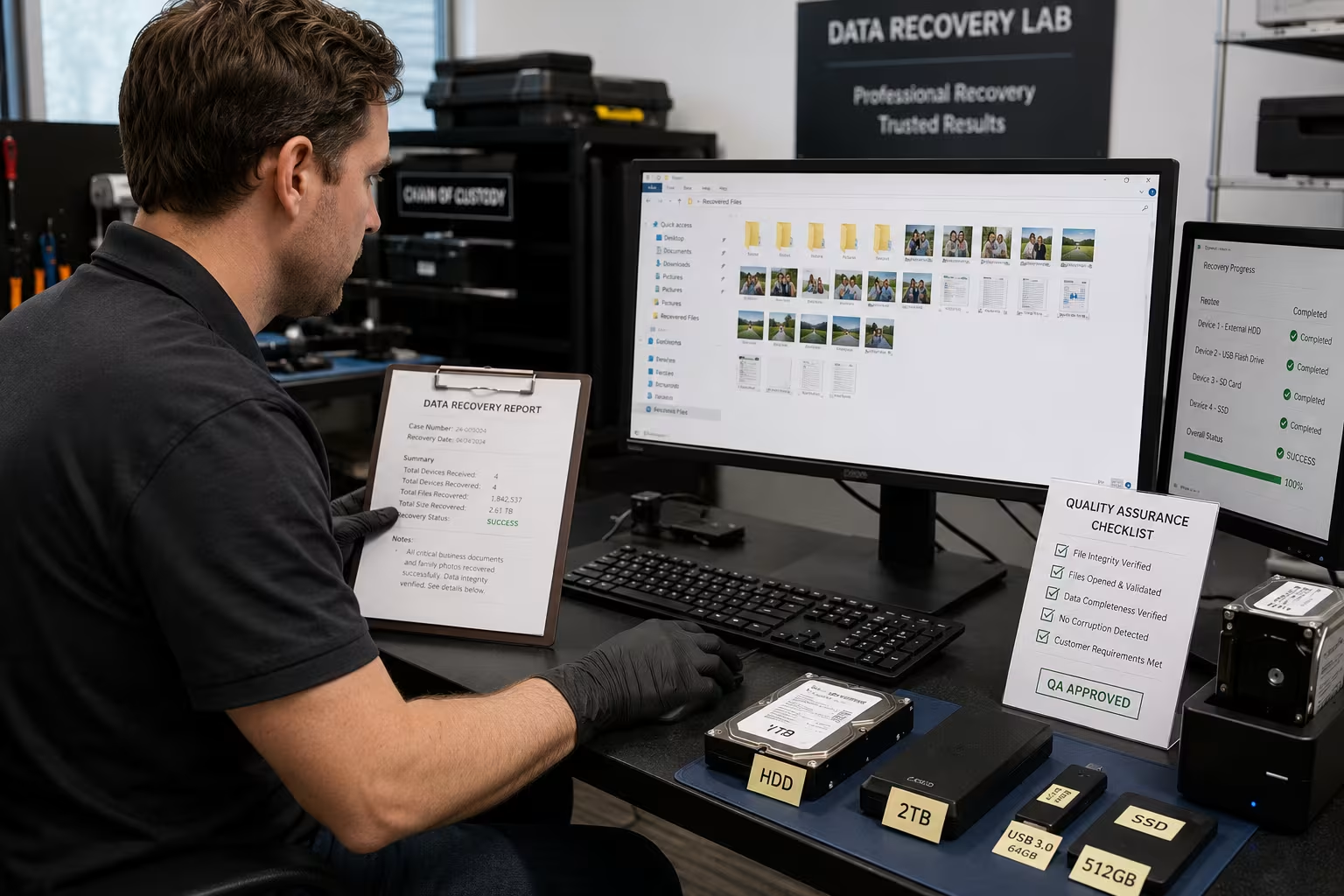
If you approve the recovery plan, technicians use specialized tools and cleanroom environments to extract data from the damaged device. The best data recovery service providers keep you updated throughout, explaining the recovery process and estimated turnaround time. Once recovery is complete, your data is returned securely, and you’ll receive a detailed report on the results.
How to maximize your success rate with hard drive data recovery
Getting the best results from a professional data recovery service means making smart choices before and during the recovery process. Here are some key strategies:
Step 1: Power down the affected device immediately
Continuing to use a failing hard drive or SSD can make things worse. Shut down the device and avoid running any software that might overwrite lost data.
Step 2: Avoid opening the drive yourself
Opening a hard drive outside of a cleanroom can introduce contaminants that make recovery impossible. Leave physical repairs to the experts.
Step 3: Document what happened
Take note of any error messages, sounds, or symptoms you noticed before the failure. This information can help the data recovery firm diagnose the problem faster.
Step 4: Choose a provider with cleanroom facilities
Cleanroom environments are essential for safe hard drive data recovery. Ask your provider about their cleanroom standards and certifications.
Step 5: Ask about emergency data recovery options
If you need your data back quickly, some firms offer emergency services with faster turnaround times. This can be a lifesaver for critical business operations.
Step 6: Review data security measures
Make sure your provider follows strict data security protocols to protect your files during and after recovery. This is especially important for sensitive business data.
Step 7: Confirm support for RAID arrays and SSDs
If your data is stored on RAID arrays or SSDs, choose a provider with proven experience in these areas. Specialized knowledge is key for complex recoveries.
Practical considerations for implementing data restoration services
When you’re ready to work with a professional data recovery service, planning can save time and money. Start by identifying which devices and data are most critical to your business. This helps prioritize recovery efforts if disaster strikes.
It’s also important to understand your provider’s policies on data backup, storage device handling, and reporting. Ask about their process for returning recovered data and what steps they take to ensure data security. Finally, set clear expectations for turnaround time and communication, so you’re never left in the dark during the recovery process.
Best practices for working with a data recovery firm
To get the most value from your data recovery firm, keep these best practices in mind:
- Always request a free evaluation before committing to any recovery work.
- Communicate clearly about your data recovery needs and business priorities.
- Ask for regular updates on the recovery process and expected turnaround time.
- Verify that the firm uses cleanroom facilities and follows strict data security protocols.
- Keep backups of recovered data in multiple locations to prevent future data loss.
- Review the final recovery results and ask questions if anything is unclear.
Following these steps helps ensure a smooth experience and the best possible outcome for your business.

How Alexant can help with a professional data recovery service
Are you a business with 15 to 70 users looking for a reliable solution to protect your critical files? Growing companies face unique challenges when it comes to data loss, and it’s important to have a trusted partner ready to step in when things go wrong.
Our team at Alexant specializes in professional data recovery services for businesses just like yours. We understand the urgency of lost data and offer fast, secure recovery options tailored to your needs. If you’re facing a data emergency or want to prepare for the unexpected, contact us today to see how we can help.
Frequently asked questions
What should I do first if I experience data loss?
If you notice data loss, stop using the affected storage device right away. Continued use can make lost data harder to recover. Contact a professional data recovery service for a free evaluation and next steps. Most data recovery needs can be addressed quickly if you act fast.
How long does the recovery process usually take?
The recovery process varies depending on the type of failure and storage device. Simple cases may be recoverable within a few business days, while more complex issues can take longer. Your provider should give you a clear estimate of turnaround time after evaluating your device.
Can a data recovery service help with RAID failures?
Yes, a data recovery service can recover data from RAID arrays, even after multiple drive failures. Specialized knowledge is required to rebuild and recover data from these systems. Always choose a provider with proven RAID expertise for the best results.
Is my data secure during the recovery process?
Reputable providers follow strict data security protocols to protect your files. Ask about their cleanroom standards and how they handle sensitive information. Data security should be a top priority throughout the recovery process.
What types of devices can a professional data recovery service handle?
A professional data recovery service can recover data from hard drives, SSDs, external hard drives, and more. They also work with a wide range of storage devices and file systems. If you’re unsure, ask for a free evaluation to assess your specific situation.
How do I know if my lost data is recoverable?
Most lost data is recoverable if you act quickly and avoid using the affected device. The success rate depends on the cause of data loss and the actions taken after the incident. A free evaluation from a data recovery firm will help determine your chances of recovery.